Make it safe
If anyone may be in danger, leave the area and call 911. Don’t enter a building until authorities say it is safe.
American Restoration Company
Bismarck, North Dakota
When property loss happens, response matters.
Water, fire, smoke, mold, and storm restoration support for homes, multifamily properties, and businesses in Bismarck, Mandan, and communities across North Dakota.
Text and email open your app; review and send. For immediate danger, call 911.
What to do firstWATER
Extraction · drying · moisture documentation
FIRE & SMOKE
Residue cleaning · odor control · contents coordination
MOLD & STORM
Moisture planning · protection · recovery coordination
Start with safety
Every loss is different. These practical first steps can help organize what to do and what to share when you contact a restoration provider.
Call (701) 425-1096If anyone may be in danger, leave the area and call 911. Don’t enter a building until authorities say it is safe.
Tell us the property address, what happened, which areas are affected, and whether the source or exposure is still active.
Discuss site conditions, access, documentation, and the work that may be appropriate for the property.
Services
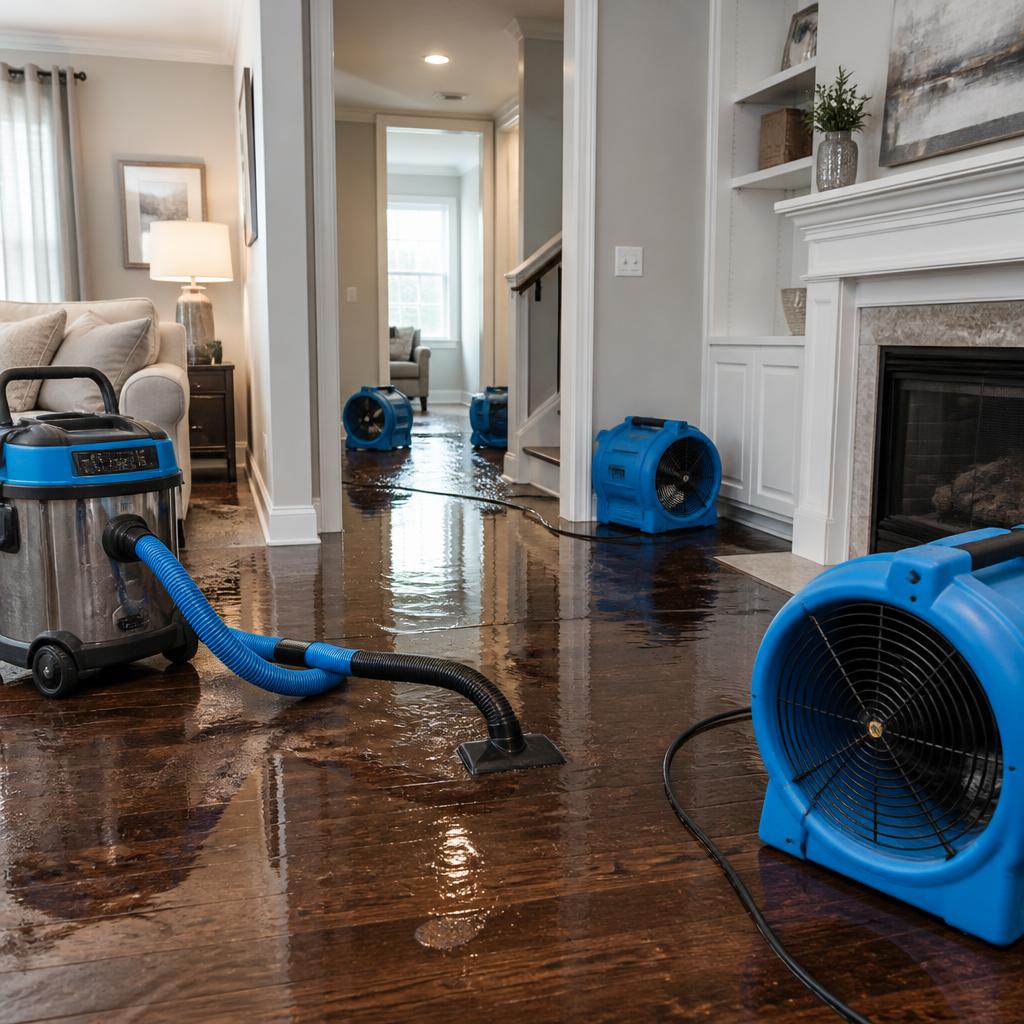
Water damage restoration for Bismarck and Mandan homes and businesses can include water extraction, structural drying, moisture documentation, and recovery planning for leaks or other interior water intrusion.
Explore service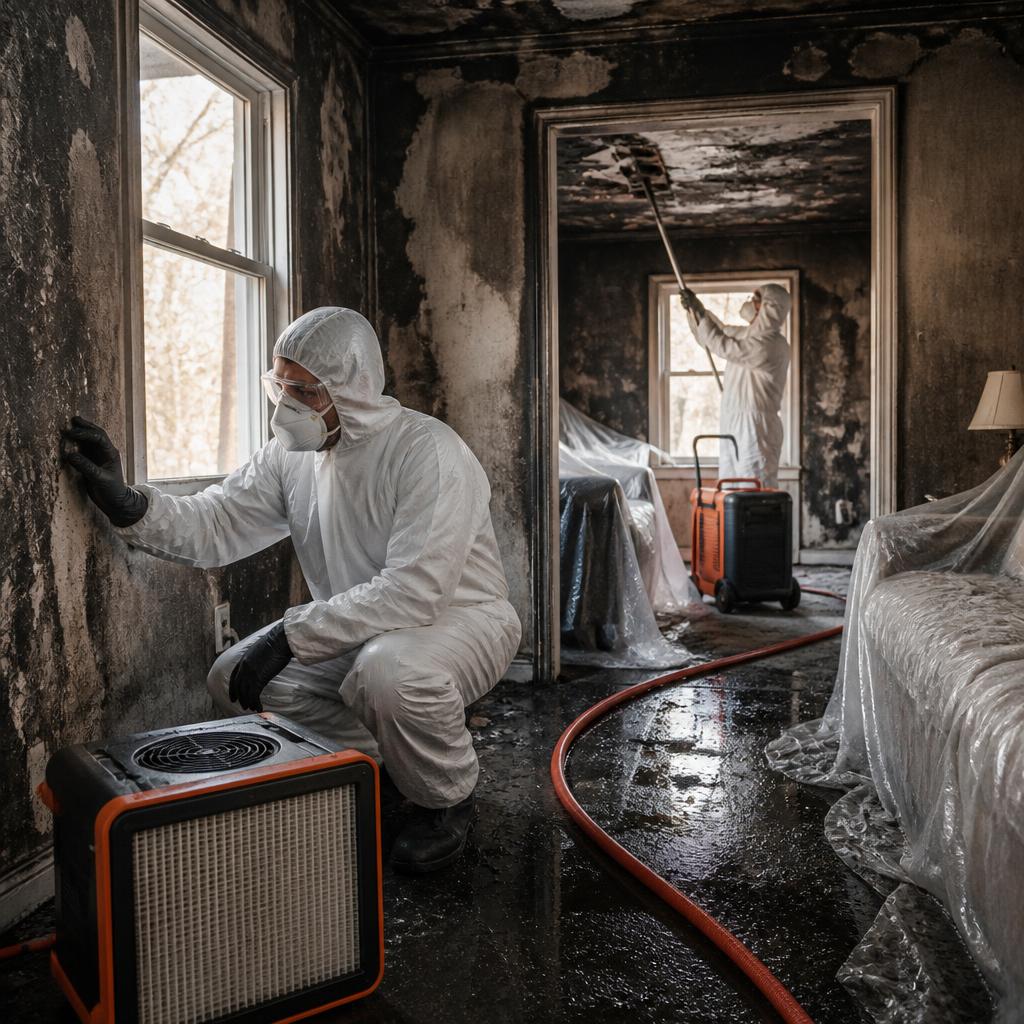
Fire damage and smoke cleanup may involve soot and residue cleaning, odor control, contents coordination, and recovery planning for affected North Dakota properties.
Explore service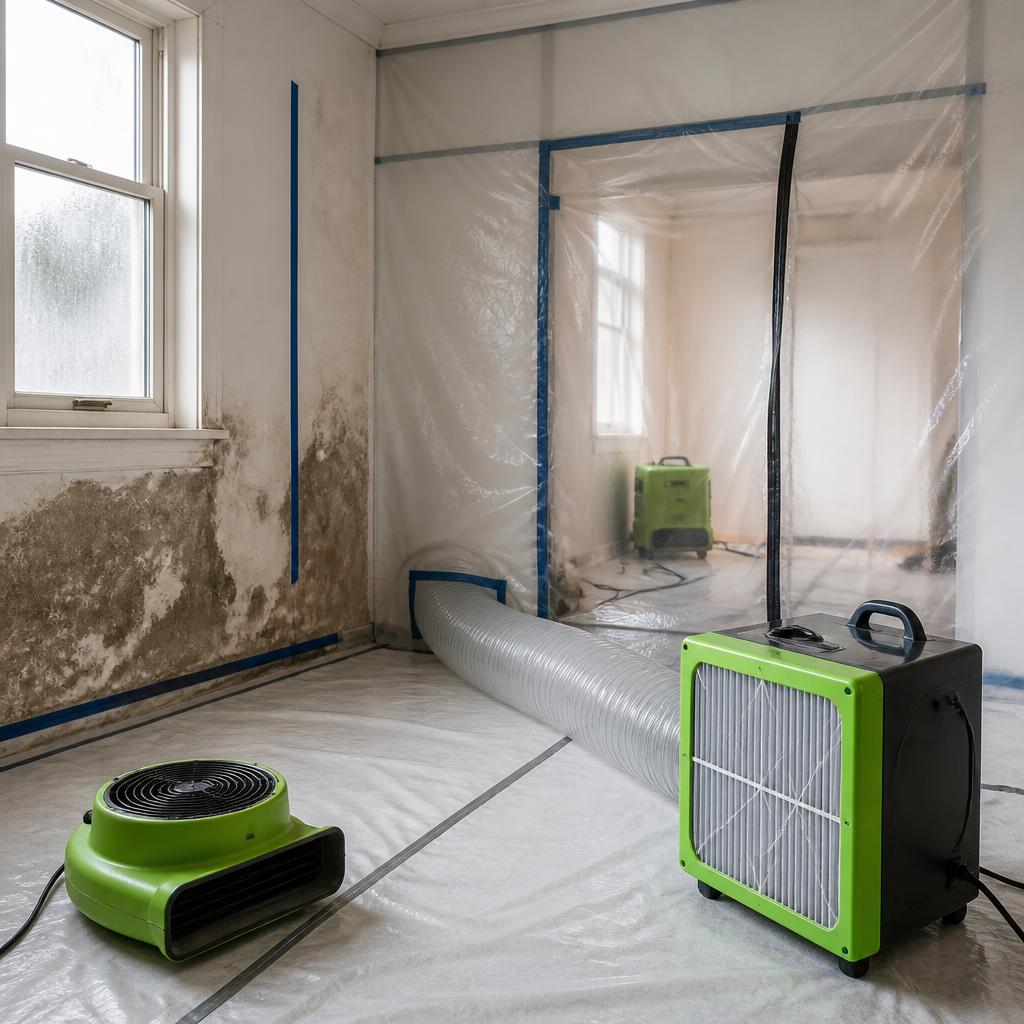
Mold remediation can include moisture-source planning, containment, controlled removal, and HEPA cleaning based on the affected materials and site conditions.
Explore service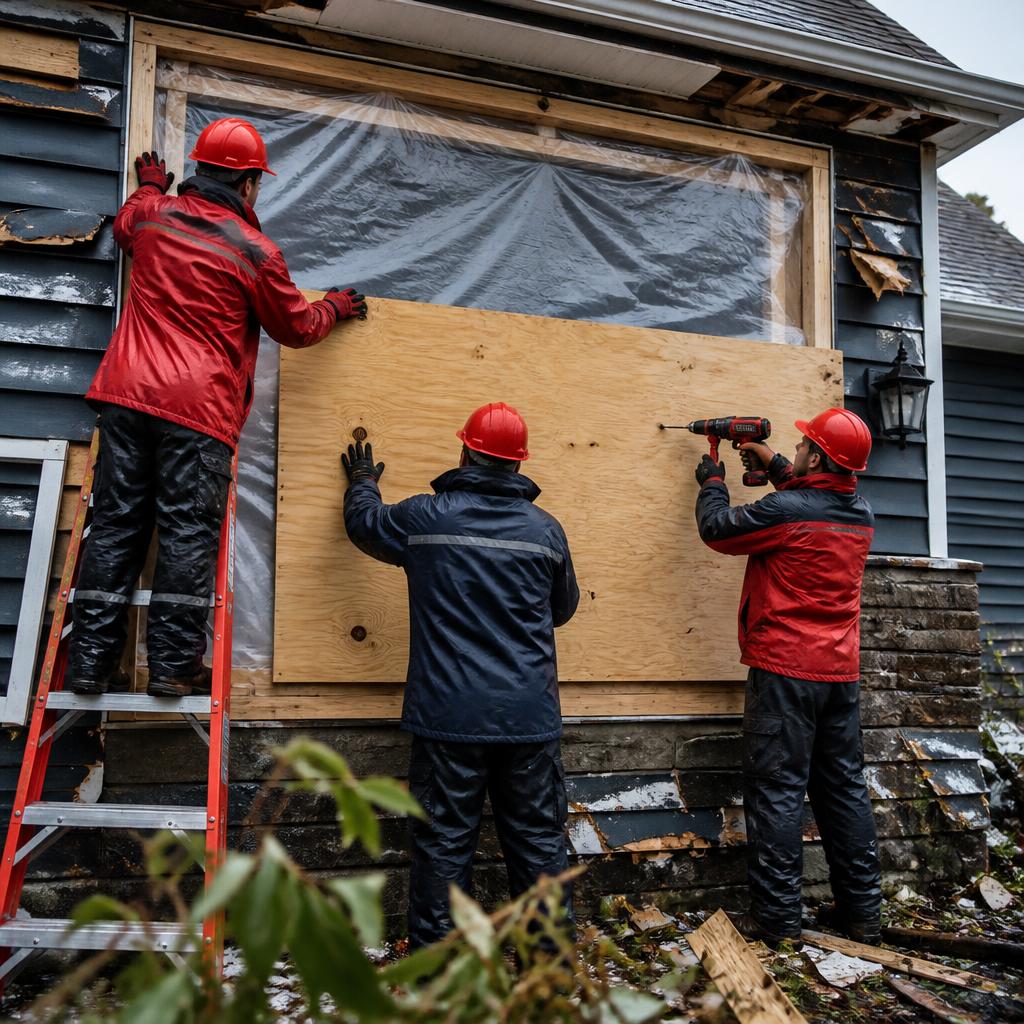
Storm damage recovery may include temporary protection, water mitigation, damage documentation, and coordination after wind or water intrusion.
Explore serviceHow restoration moves forward
A clear sequence helps property owners make informed decisions through a difficult disruption.
Address active sources, immediate exposure, safety, and conditions that can make damage spread.
Capture affected areas, visible conditions, and the decisions shaping the response.
Coordinate cleaning, drying, contents, and the transition into permanent repairs.
North Dakota property guide
From winter freeze-ups to summer storms, the cause of a loss and the building’s current condition determine what should happen next. These general considerations are not a substitute for a site assessment; put life safety first and follow direction from emergency services.
Long heating seasons, freezing temperatures, ice dams, and sudden thaws can contribute to pipe breaks, roof leaks, and basement water. After the source is safe and controlled, document affected rooms and materials and ask about extraction, drying, and moisture checks.
A fire loss can involve more than visible burn damage. Smoke residue and odor may travel beyond the fire area, while water used to extinguish the fire can affect floors, walls, and contents. Do not enter until authorities say it is safe; then discuss the affected areas and next steps.
Mold concerns can follow an unnoticed leak, condensation, a wet basement, or water that was not fully dried. In North Dakota’s heating season, temperature differences and indoor humidity can also contribute to condensation. Address the moisture source and avoid disturbing suspected growth.
Summer hail and high winds, heavy rain, blizzards, and rapid temperature changes can damage roofs or open a path for water. If a building is exposed, prioritize safety and temporary protection, then document the condition and affected interior areas.
Completed restoration work · 2026
Williston, North Dakota · 2026
The Williston project combined removal and roof work with a detailed interior refinish. ARC completed the work across the roof system and multiple interior finishes.
Beulah, North Dakota · 2026
A June 2026 storm caused wind damage at a Beulah property. The roof ridge broke in multiple places, creating structural damage that required a substantial restoration and rebuild scope.
Bismarck, North Dakota · 2026
Following a total-loss fire at a Bismarck property, the completed project involved full demolition and a comprehensive rebuild from the exterior enclosure through the interior.
Washburn, North Dakota · 2026
Wind damage affected multiple buildings in Washburn. One structure required demolition and rebuilding, with the owner’s requested design connecting it to the home and adding bedrooms above.
Project descriptions and values are reported by ARC. Values are project-scope figures, not insurance settlements or quotes. Client names, addresses, and project photos are omitted.
For property teams
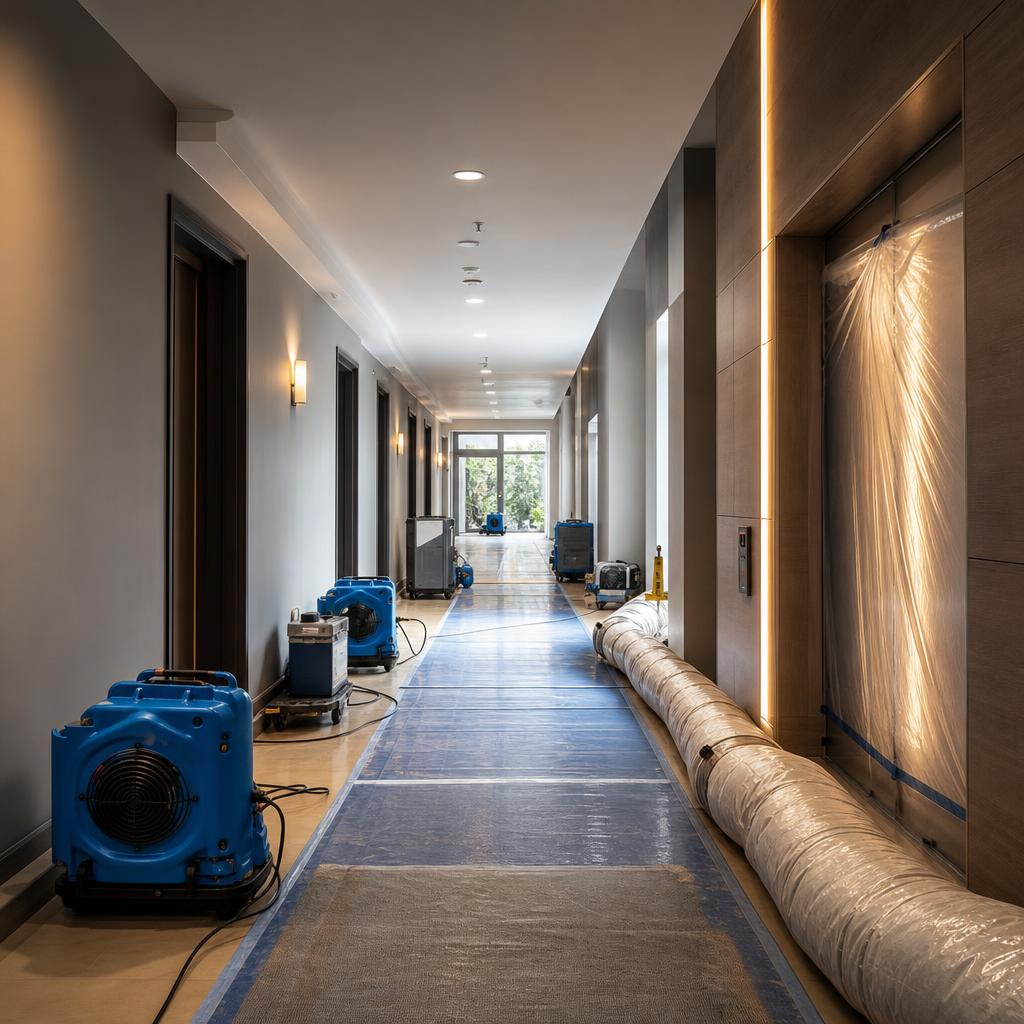
Property owners and managers can discuss response contacts, escalation procedures, documentation expectations, and property-specific planning in advance. For an active loss, share the affected units or areas, access process, and site contact.
Service area
Find local restoration information, or contact ARC to discuss the specific property, project fit, and travel logistics.
Explore service areasARC is based in Bismarck. Contact us to confirm availability and travel logistics for the specific property; coverage and response timing depend on the address and project.
Location names identify communities to contact, not separate offices or a guaranteed arrival time.
Common questions
A little context can make it easier to decide what to ask next.
Yes. The Bismarck-based team coordinates water extraction, structural drying, and recovery planning for local homes, multifamily properties, and businesses. Call (701) 425-1096 and share the property address, affected areas, and whether the source is still active.
Put life safety first. Call 911 if there is an active emergency, and do not enter an unsafe building. Once it is safe, call (701) 425-1096 to discuss fire damage restoration, smoke residue, odor concerns, and next steps for the property.
Yes. Call (701) 425-1096 to discuss the property location, visible conditions, and any known moisture source. Avoid disturbing suspected growth and address immediate safety concerns before entering an affected area.
American Restoration Company is based in Bismarck. Property owners in communities across North Dakota can call (701) 425-1096 to confirm current service availability, project fit, and travel logistics for their exact address. Listing a community does not guarantee a particular response time.
Yes. Property owners and managers can discuss water, fire, smoke, mold, or storm-related losses, affected units or areas, site access, documentation, and coordination through recovery. Call (701) 425-1096 to talk through the property.
Freezing temperatures, frozen or burst pipes, ice dams, rapid thaws, heavy rain, hail, high winds, and blizzards can all affect buildings. The right restoration response depends on the cause, building materials, affected areas, and current safety conditions.
When you’re ready